Sell Your Home With No Surprises

Most Portland sellers find out about their home's problems at the worst possible moment. The buyer's inspector finds them, after an offer has already been accepted. At that point, every finding becomes leverage. A pre-listing inspection flips that. You see the report first. You decide what to fix, what to price around, and what to disclose. On your timeline, not theirs.

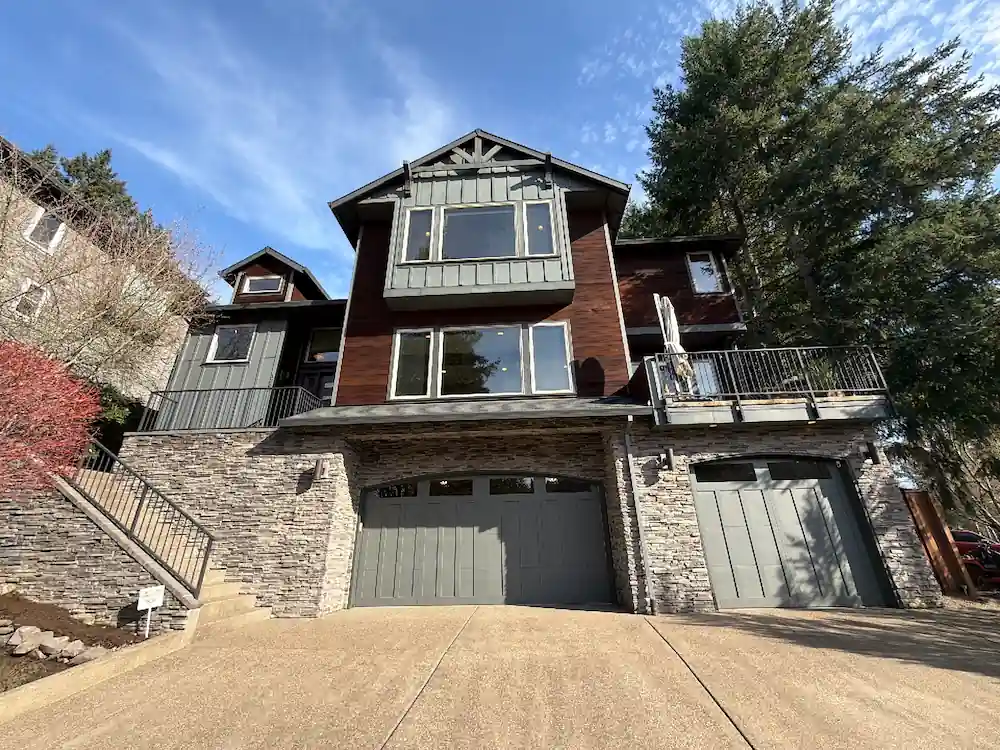
Russ Motyko, Certified Master Inspector, performing a pre-listing home inspection in the Portland metro
2,400+
Inspections in Oregon & Washington
5.0
Google & Yelp Rating

I Know What Buyers' Inspectors Will Find.

Pre-listing home inspection in the Portland metro and SW Washington
Portland Metro & SW Washington

I have spent 10 years inspecting Portland and SW Washington homes, and 12 years doing contractor work. I have framed difficult and high-end builds, replaced roofs, run wiring, set tile, poured concrete, waterproofed showers, hung drywall, set doors, and installed siding and windows. That hands-on background is what lets me read a house the way a builder does.

Houses here have patterns. The 1920s craftsman in NE Portland, the 1970s split-level in Beaverton, the 2024 build in Happy Valley or Ridgefield. Each era has its own quirks and failure points. Each county has its own soils, climate stress, and code history. A pre-listing inspection only helps if it actually catches what the buyer's inspector is going to flag.

That is the whole game. Find it first. Decide on your terms. List a home that has already been looked at hard, with documentation buyers can trust. Free thermal imaging on every inspection, because in our climate it is not a luxury add-on. It is how moisture problems get caught before they cost you a deal.

I hold Certified Master Inspector® certification (top 3% of the industry), Oregon OCHI license #1898, and Washington DOL license #1856.

Portland Metro & SW Washington Housing Market

$555,859
Median sale price
31 days
Median days on market
2,262
Homes sold last month
5,850
Homes for sale now
Live Market Data · Updated March 2026
Source: Redfin Data Center

Waiting for the Buyer's Inspection Is the Riskiest Move

Here is how a typical Portland deal goes. Seller lists. Seller accepts an offer. The buyer's inspector walks the home for the first time. Whatever they find becomes a negotiation, under deadline, with the seller holding almost no leverage.

The buyer can ask for repairs. They can demand a price cut. They can request a closing credit. They can walk. Their agent will push for more than the findings are worth, because that is how negotiation works. You either pay it or risk the deal.

A pre-listing inspection does not make the problems go away. It just means you find them first. Three or four weeks before listing, with three contractor bids in hand, instead of three days into your inspection contingency with one inflated estimate from the buyer's agent's preferred contractor.

That is a different position to be selling from.

Without a pre-listing inspection

Buyer's inspector flags a failing roof mid-deal

Buyer's agent asks for a $22,000 credit. Seller panics. Deal nearly collapses. Seller agrees to $16,000 to save it. Their own contractor would have done the work for $11,400. The difference: $4,600 and a week of stress.

With a pre-listing inspection

Same roof, found before listing

Seller gets three bids. Roof replaced for $11,400. Home lists with documented new roof. Buyers offer with confidence. Deal closes clean.

What a Pre-Listing Inspection Does for You

Every benefit comes back to one thing. Information in your hands before the buyers have it.

Repair on Your Terms

Find a problem before listing and you shop your own contractors, pull your own bids, and pay market rate. Find it during the buyer's contingency and you are paying inflated numbers under deadline pressure. The savings on a single major item can pay for the inspection ten times over.

Price the Home Honestly

A list price set without knowing the home's condition is a guess. A list price set after a real inspection is a decision. You can price for repairs you have made, or price for issues you are disclosing. Either way, you are not flying blind.

Buyer Confidence

Buyers who see a pre-listing report from a Certified Master Inspector know the seller is not hiding anything. That transparency shows up in offer strength, fewer contingencies, and a much lower chance of the deal blowing up over inspection findings.

Fewer Renegotiations

Post-offer renegotiation is the most stressful part of selling a home. The buyer's inspection is where it usually starts. A pre-listing inspection shrinks what they can find and removes most of the ammunition for a second round of haggling.

Disclosure Protection

Oregon and Washington both require sellers to disclose known material defects. Once you have the report, you have documented proof of what you knew and when. That protects you from post-close claims that you concealed something from the buyer.

Faster Close

Inspected listings move through escrow faster. Known issues are already addressed or disclosed. There is no waiting on buyer findings, no drawn-out repair fights, no scrambling for contractors with the contract clock ticking.

Pre-Listing Inspections Pay Off Most In These Cases

Any seller benefits from knowing the home's condition before listing. These situations are where it matters most across the Portland metro and SW Washington.

Homes Built Before 1990

Older Portland and Vancouver homes hide the highest-cost surprises. Catching them now means you can address them before buyers turn them into leverage.

  • Galvanized supply lines near end of life
  • Aging or recalled electrical panels
  • Crawlspace moisture and vapor barriers
  • Deferred roof, siding, or window work
  • Knob-and-tube in pre-1950s homes

Deferred Maintenance

If the home has not had regular updates, a pre-listing inspection gives you a clean punch list to prioritize from. No more guessing which items matter to buyers.

  • No major updates in 5+ years
  • Small items piled up over time
  • Want a clear list to prioritize
  • Need to decide what to fix vs. price around
  • Want documentation for the listing

Clackamas County Homes

Clackamas is EPA Radon Zone 1. Elevated radon is one of the most common deal-killers in our market. Get ahead of it before listing day.

  • EPA Radon Zone 1, highest risk in the U.S.
  • Elevated radon is a common deal-breaker
  • Test before listing, control the result
  • Mitigate ahead of time if needed
  • Turn a liability into a selling point

Estate or Inherited Homes

If you never lived in the home, you do not actually know what you are disclosing. A pre-listing inspection closes that gap and protects trustees and heirs.

  • You did not live there yourself
  • Unknown maintenance history
  • Disclosure exposure is real
  • Easier to find issues now than after offer
  • Helps trustees act with documentation

Competitive Listings

In hot sub-markets, buyers sometimes waive inspection contingencies. A credentialed pre-listing report gives them the confidence to do that without flying blind.

  • Hot pockets like Happy Valley, Lake Oswego
  • Buyers waive contingencies in bidding wars
  • Pre-listing report makes that easier
  • Stronger initial offers
  • Cleaner contracts

Sellers Who Want a Clean Deal

Some sellers just want the transaction to be honest, fast, and drama-free. Transparency upfront is the most reliable way to get there.

  • Want to disclose fully and honestly
  • Hate surprises mid-transaction
  • Value time and certainty
  • Prefer transparency as a strategy
  • Want to close without renegotiation drama

The Same Thorough Inspection Buyers Get

A pre-listing inspection covers every accessible system. The thoroughness is what makes the report credible to buyers and their agents. Anything less and they will just hire their own inspector to look harder.

Roof & Exterior

  • Roofing material, condition, remaining life
  • Flashing, gutters, downspouts
  • Moss, algae, trapped moisture
  • Siding, trim, caulking, paint
  • Grading and drainage at the foundation

Electrical

  • Main panel and sub-panels
  • Federal Pacific and Zinsco panel ID
  • GFCI and AFCI protection
  • Aluminum branch wiring
  • Outlets, switches, fixtures

Plumbing

  • Galvanized, CPVC, copper pipe ID
  • Water heater age and safety
  • Supply, drains, fixtures
  • Polybutylene identification
  • Water pressure and flow

HVAC

  • Furnace age and heat exchanger
  • Heat pumps and central AC
  • Ductwork and air distribution
  • Combustion air and exhaust venting
  • Thermostat operation

Foundation & Structure

  • Foundation type, cracks, settlement
  • Crawlspace moisture and vapor barriers
  • Framing and floor systems
  • Basement water intrusion
  • Clay soil movement signs

Interior

  • Walls, ceilings, floors
  • Windows, doors, hardware
  • Attic insulation and ventilation
  • Built-in appliances
  • Garage doors and safety sensors

Life Safety

  • Smoke and CO detector placement
  • Handrails, guardrails, stairs
  • Egress windows in sleeping rooms
  • Fireplace and chimney condition
  • Garage-to-living fire separation

Thermal Imaging

  • Hidden moisture behind walls
  • Missing or compressed insulation
  • Electrical hot spots and overloads
  • HVAC duct leaks and airflow loss
  • Attic condensation patterns
Included on every inspection — no extra charge

Free Thermal Imaging.
Other Inspectors Charge $100–$250.

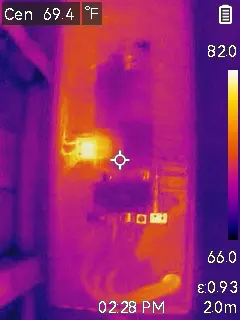
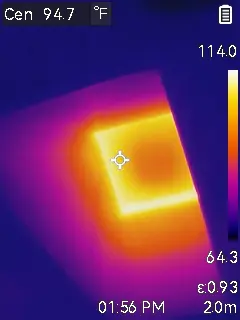
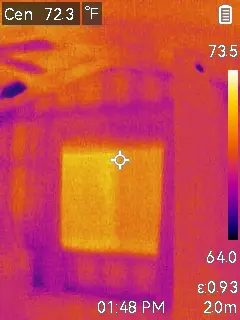
An infrared camera sees what the eye can't. Moisture behind drywall, missing insulation, overloaded circuits. For a pre-listing inspection in our climate, this is the difference between catching a hidden problem now and a buyer's inspector flagging it next month.

Hidden moisture behind walls and ceilings
Missing or compressed insulation
Electrical hot spots and overloaded circuits
HVAC duct leaks and airflow dead zones
Learn More About Thermal Imaging →
Infrared thermal imaging camera in use Thermal imaging scan of a home Infrared camera detecting moisture Thermal imaging inspection

What to Do With Your Pre-Listing Report

There is no single right answer. What you do depends on your home, your timeline, and your market. Your listing agent helps you choose. My job is to give you accurate information to choose from.

1

Fix the Critical Items First

Tackle the items most likely to alarm buyers or affect financing. Roof, galvanized plumbing, electrical panels, crawlspace moisture. Document everything with receipts and permits. List with the work already done and use it as a selling point. Usually pulls the strongest offers.

2

Price and Disclose

Make no repairs. Share the report openly with prospective buyers. Price to reflect the home's condition. This pulls in buyers who want a known-condition home at a fair price and removes the buyer's agent's biggest negotiation lever. Fastest path to close if your timeline is tight.

3

Fix the Big Items, Disclose the Rest

Most common play. Address the high-cost, high-impact findings that would scare buyers off. Leave cosmetic items and minor maintenance for them. Disclose accurately. You spend money where it actually changes buyer behavior, and save it where it does not.

4

Decide With Your Agent

None of these calls happen in a vacuum. Your listing agent knows your local sub-market and the buyer pool. Sit down with the report and pick the strategy that fits your situation. Unlimited follow-up from me is included if you need help interpreting findings.

A Report You Can Hand to Buyers.

For a pre-listing inspection, the report has to do double duty. It has to be clear enough for you to act on, and credible enough that buyers and their agents trust it. Here is what every report includes.

Plain-Language Findings

Every item written so a buyer can read it without a contractor in the room. That clarity is what makes the report work as a marketing piece, not just a punch list.

Photos & Video on Every Significant Finding

Visual documentation in context. Easy to share with your contractor for bids, your agent for strategy, or directly with prospective buyers.

Severity-Rated Items

Safety hazards, major defects, maintenance items, and informational notes are clearly separated. You know what to fix, what to disclose, and what to leave alone.

Shareable Spectora Link

Add it to your MLS listing, hand it out at showings, or send it directly to interested buyers. Unlimited follow-up included if anyone has questions.

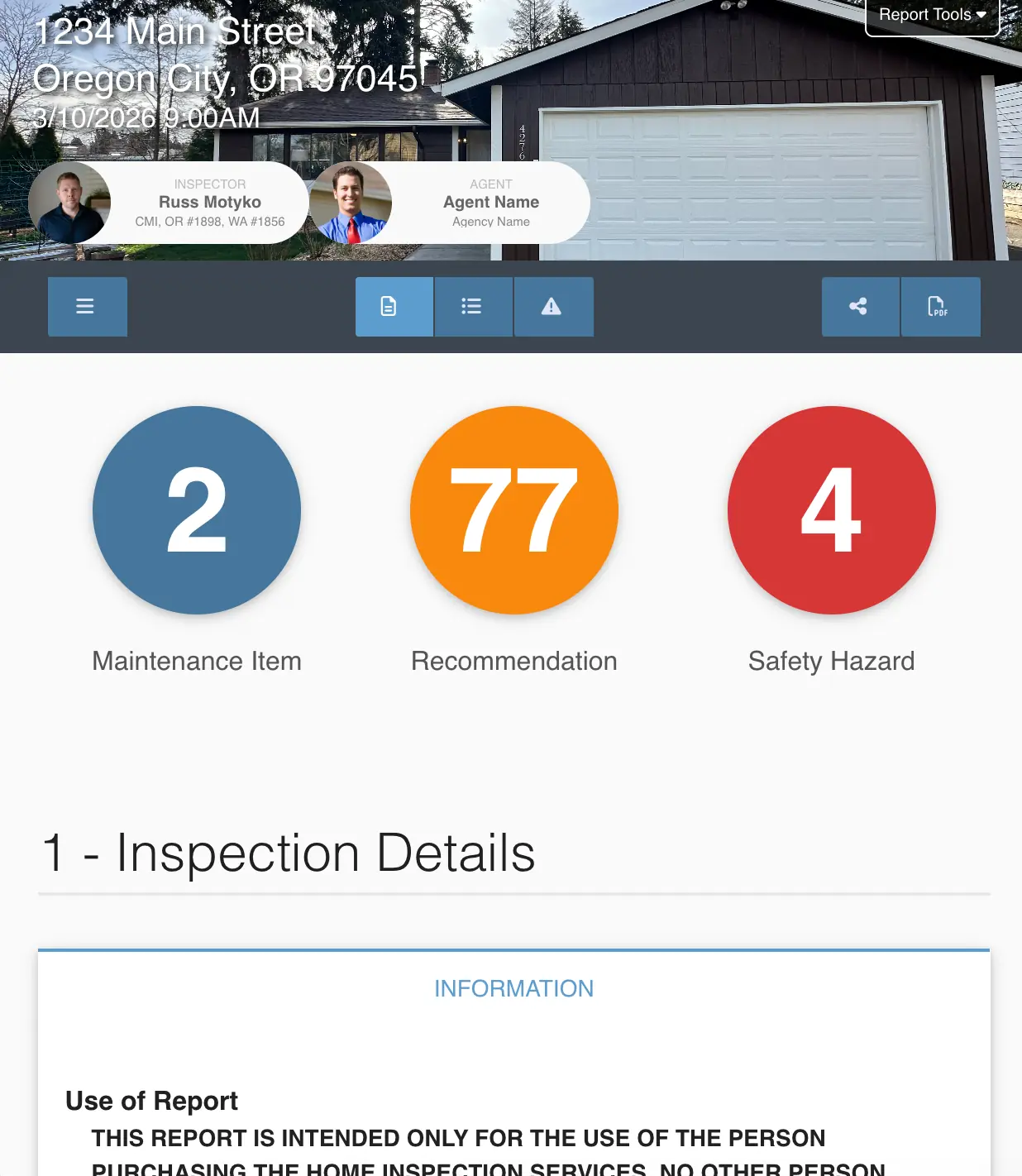
See a Real Report

Browse a full sample inspection report. The same format your buyers will see, with the same level of detail.

Sample home inspection report from Trusted Home Inspections
View Sample Report

Take Away Every Source of Buyer Leverage

These are discounted when scheduled with your pre-listing inspection. Each one removes a common reason Portland and Vancouver deals get renegotiated or fall apart.

Radon Testing — $150

48-hour continuous test. Digital results within 24 hours of pickup. Standalone testing is $195 without an inspection.

  • Clackamas County is EPA Zone 1, the highest risk in the country
  • Elevated radon is a top-three deal-killer in our market
  • Test now and you have time to mitigate ($800 to $1,500)
  • A clean result becomes a marketing point
  • Eliminates a last-minute negotiation lever

Mold Air Testing — $195

Air samples sent to a certified lab. Species ID, spore counts, comparison to outdoor baseline. Results in 2 to 3 days. Standalone mold inspection is $445.

  • Crawlspace and attic mold are common in our wet climate
  • Among the most alarming findings a buyer can get
  • A clean result is a real selling point
  • A positive result gives you time to remediate and retest
  • Better to know now than during the buyer's contingency

Pest & Dry Rot — $75

Wood-destroying organisms report. Oregon only. Dry rot at decks, window trim, and sill plates is common in Portland's wet climate.

  • Often required as a closing condition in Oregon
  • Removes a last-minute closing hurdle
  • Catches dry rot at decks, trim, and sills
  • Fix now on your timeline, not theirs
  • Cheaper add-on than standalone

What people say about Russ

Real reviews from clients across Portland Metro & SW Washington.

Simple, Flat-Rate Pricing

No hidden fees, no surprise add-ons. Thermal imaging is included on every inspection.

Starter Standalone Inspection
$395up to 1,000 sq ft
  • Full home inspection
  • Free thermal imaging
  • Roof & crawlspace
  • Detailed digital report
Book Now
Best Value Inspection + Radon + Mold
$740up to 1,000 sq ft
  • Full home inspection
  • Free thermal imaging
  • Detailed digital report
  • EPA-certified radon test
  • Mold air sampling & lab results
Book Now

See our full pricing page for all size ranges.

Common Questions

Sellers Ask

Have a specific question? Call (971) 202-1311. Russ answers his own phone.

View the full FAQ →
Pricing & Booking
How much does a pre-listing inspection cost?
Same flat-rate pricing as a buyer's inspection. Starts at $395 for homes up to 1,000 sq ft and scales by square footage up to $795 for homes up to 5,000 sq ft. No seller surcharge. Free thermal imaging included at every price point. Full pricing →
When should I schedule it?
Four to eight weeks before you list is ideal. That gives you time to get bids, do the work, and document the repairs before buyers tour. Closer to listing still helps. You just have fewer options.
How fast can you get out there?
Usually within 24 to 72 hours. We work 7 days a week and keep room on the calendar for sellers with tight listing dates.
Do you offer a military or first responder discount?
Yes. Trusted Home Inspections is veteran owned and offers a 10% military discount for veterans, active duty, reservists, National Guard, and military families — use code MILITARY at checkout. A discount is also available for first responders including firefighters, police officers, EMTs, and paramedics — use code RESPONDER10 at checkout. Mention your service when you book. More details →
What areas do you serve?
Portland Metro and SW Washington within roughly 35 miles of Oregon City. That includes Portland, Beaverton, Hillsboro, Tigard, Lake Oswego, West Linn, Oregon City, Happy Valley, Milwaukie, Gresham, Troutdale, Damascus, Vancouver, Camas, and Ridgefield.
During the Inspection
Can I be at the inspection?
Absolutely. Most sellers join for the last 30 to 45 minutes for a walkthrough of findings. Seeing an issue in context beats reading about it later. Your listing agent is welcome too.
How long does it take?
2.5 to 4 hours depending on size, age, and condition. Bigger and older homes take longer. Outbuildings and acreage add time. We do not rush.
Is thermal imaging really included?
Yes, every time, no surcharge. Most other inspectors charge $100 to $250 as an add-on. The infrared camera finds hidden moisture, missing insulation, electrical hot spots, and HVAC duct leaks the eye can't see. Thermal imaging details →
After the Inspection
When will I get my report?
Usually the same day, sometimes the next morning. Reports are delivered through Spectora with high-res photos, severity ratings, and plain-language explanations. Call or text any time after with questions. Unlimited follow-up is part of the service.
Do I have to disclose everything?
Oregon and Washington both require sellers to disclose known material defects. Once you have the report, you know what those are, so they get disclosed. The trade-off is huge: you control how each one is handled. Repair, price around it, or disclose openly. Your listing agent helps you choose. Negotiation guide →
Will buyers still hire their own inspector?
Most will, and that is fine. The point of your report is not to replace theirs. It is to remove the surprise findings that derail deals after acceptance. Buyers who see a thorough report from a Certified Master Inspector come in more confident and less aggressive on contingencies.
Can I share the report directly with buyers?
Yes. Reports are delivered through Spectora with a shareable link. Add it to your MLS listing, hand it out at showings, or email it to interested buyers. Buyers who read it before they offer tend to make cleaner offers with fewer contingencies.
Special Situations
Should I add radon testing?
Yes, especially in Clackamas County (EPA Zone 1, the highest in the U.S.). Multnomah, Washington, and Clark counties also have plenty of homes that test high. Test before listing, control the result. If elevated, you have time to mitigate ($800 to $1,500). If clean, you have a selling point. Radon testing is $150 when added to your inspection. Learn about radon testing →
What if the inspection finds things I cannot afford to fix?
That is fine. You are not required to repair anything. Many sellers fix the highest-impact items and disclose the rest. Some fix nothing and price the home accordingly. Knowing about a problem is always better than not knowing, even if you cannot fix it. Buyers who know up front and still write an offer almost never use it against you later.
What is a Certified Master Inspector and why does it matter here?
Certified Master Inspector (CMI) is the highest credential in the home inspection industry, held by the top 3% of inspectors. It requires a verified track record, continuing education, and peer review. For a pre-listing report, the credential matters more than usual. Buyers and their agents take a CMI report seriously. That is the whole point. More about the CMI designation →
What if a buyer's inspector finds something mine missed?
It happens occasionally. Inspections are visual, and conditions can change between the pre-listing date and the buyer's inspection. The pre-listing report still puts you ahead. Most major issues are already known and handled, which removes the leverage on the bigger renegotiation moves. Call me if there is a dispute. I will talk to the buyer's inspector or agent directly.

Serving Portland Metro & Southwest Washington

Available 7 days a week within a ~35-mile radius of Portland. Not sure if we cover your area? Just call.

~35-mile radius from Portland
Available 7 days a week
Dual-licensed OR & WA
Oregon state-licensed home inspector seal
Oregon Certified OCHI Lic. #1898
Washington state-licensed home inspector seal
Washington Licensed DOL Lic. #1856

Multnomah County home inspections. Portland and the rest of Multnomah County are full of older housing stock, including 1920s craftsman bungalows in SE Portland, Pearl District lofts, and mid-century homes in NE Portland. Older homes mean knob-and-tube wiring, cast iron drains, and aging foundations. I’ve inspected hundreds of homes across Multnomah County and know exactly what to look for in each neighborhood.

Don’t see your city? We likely cover it.

View All Service Areas

List with full confidence.

Serving Portland Metro & SW Washington. Available 7 days a week.

Check Pricing & Availability  →