SE Portland's Homes Have Character. Your Inspector Should Know What That Costs.

Sellwood bungalows, Hawthorne Craftsmen, Division infill, and Woodstock mid-century ranches can all land in the same price range. They do not have the same inspection profile. As a Certified Master Inspector® with 10+ years of home inspection experience and hands-on work as a licensed general contractor, Russ knows the difference in each one.

Russ Motyko, Certified Master Inspector performing a home inspection
3,000+
Inspections in Oregon & Washington
5.0
Google & Yelp Rating

These Homes Have History. So Do I.

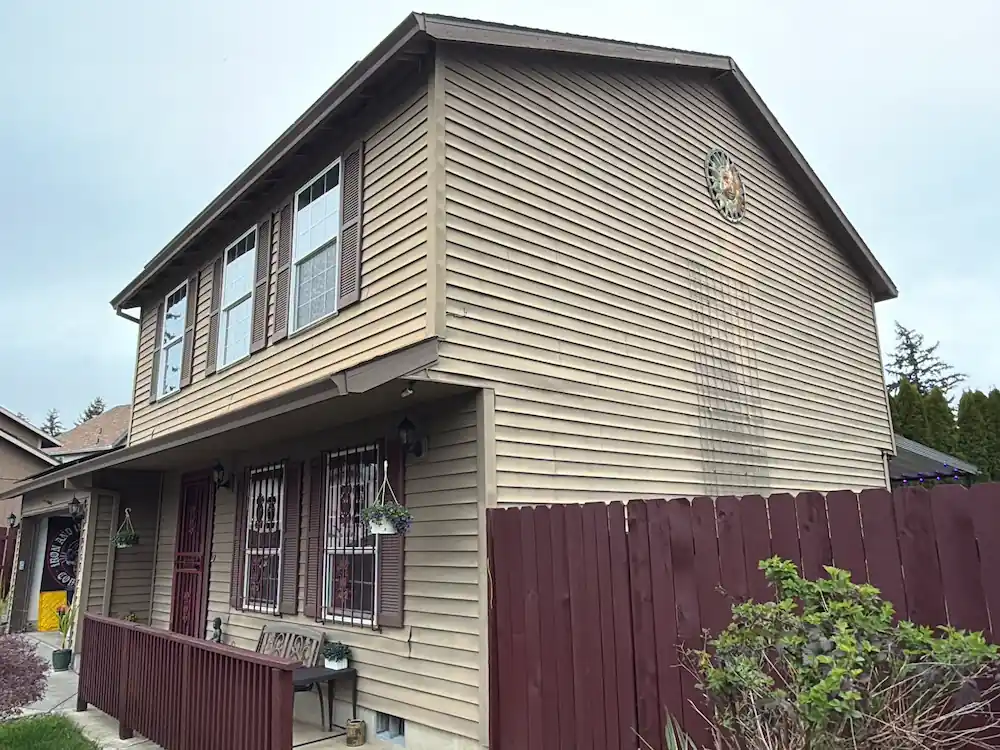
A Southeast Portland Oregon home representative of the Multnomah County housing stock Russ inspects
SE Portland, Oregon

Southeast Portland is one of the most varied housing markets in the city. Sellwood-Moreland has Craftsman bungalows from the 1910s and 20s. Hawthorne and Woodstock are full of pre-war homes that have been partially updated across four or five decades of ownership. Division and Clinton have seen a wave of infill construction that looks nothing like anything else on the block. Each one has its own inspection profile, and a real SE Portland inspection looks different in each one.

I have 10 years of inspector experience, and I am also a licensed general contractor. While my specialty is difficult and high-end framing jobs, I have replaced roofs, built, painted, and installed cabinets, ran wiring, poured concrete, waterproofed showers, set tile, replaced siding and windows, installed drywall, and set doors. That contractor background is what lets me read a Sellwood bungalow the way it was built, not just the way it looks today.

When I walk a 1920s Craftsman in Eastmoreland, I am looking at what's original, what was modified, and what previous owners tried to cover. When I walk a new infill build on Division, I am looking for the grading, flashing, and HVAC mistakes that show up on newly built lots. You get that scrutiny either way.

I hold Certified Master Inspector® certification, Oregon OCHI license #1898, and Washington DOL license #1856. Every inspection includes free thermal imaging.

SE Portland Homes by Construction Era

In SE Portland the build decade sets the whole agenda for the day. SE Portland has more construction eras side by side in its active market than almost any other neighborhood cluster in Oregon.

Pre-1965 Homes

This is SE Portland's most iconic housing stock. Sellwood, Eastmoreland, Woodstock, and Hawthorne are thick with Craftsman bungalows, Tudor revivals, and mid-century ranches built between 1910 and 1960. These homes have real character. They also have systems that are 60 to 100 years old and have often been partially updated by multiple owners in ways that create inspection puzzles.

Galvanized steel supply pipes are a consistent finding in this era. Internal corrosion reduces water pressure, causes discoloration at fixtures, and eventually leads to pinhole leaks. Repiping the house is a $10,000 to $25,000 job. Better to have that documented while you still have time to plan around it.

Knob-and-tube wiring is the other big conversation in homes from the 1910s through the 1940s. It's ungrounded and, more critically, insurance carriers frequently require replacement before they'll write a policy. Blown-in insulation on top of knob-and-tube in the attic is the fire risk that matters most. Sewer scope inspection is also essential here. The cast iron under these yards has been buried anywhere from 65 to 100 years.

Common findings in pre-1965 homes
Galvanized steel supply pipes
Corroded internally. Reduced pressure, discoloration at fixtures. Replacement $10,000 to $25,000.
Knob-and-tube wiring
Ungrounded. Fire risk when insulation is blown over attic runs. Insurance carriers often require replacement.
Cast iron drain lines
Scale, joint seepage, and root intrusion after 65+ years in the ground. Sewer scope essential.
Crawlspace moisture and wood rot
Foundations without modern waterproofing managing decades of Portland's annual 36+ inches of rain.
Roofs at or beyond service life
Often re-roofed once or twice over 60+ years. Number of layers and current condition documented in report.

1965 - 1985 Homes

SE Portland grew into Foster-Powell, Creston-Kenilworth, and the outer Woodstock corridor during these decades. Ranch homes and split-levels from this period are solid and often well-sited, but this era generates some of the costliest inspection findings relative to purchase price anywhere in the Portland market.

Federal Pacific Stab-Lok and Zinsco electrical panels are the most urgent finding. Both have documented histories of breakers failing to trip under overload. Insurance carriers increasingly flag or refuse to write coverage on homes with these panels. Replacement runs $2,500 to $4,500 depending on the home. Polybutylene plumbing also shows up in the later portion of this era. Fittings fail suddenly, and insurance carriers are increasingly requiring replacement before coverage is offered.

Common findings in 1965 - 1985 homes
Federal Pacific and Zinsco panels
Both have a documented failure record, and carriers price for it. Replacement $2,500 to $4,500.
Aluminum branch circuit wiring (1965 - 1973)
The danger sits at the terminations where heat builds. CO/ALR devices, or rewire it.
Polybutylene plumbing
Degrades from chlorine. Sudden fitting failure. Insurance often requires replacement. $10,000 to $20,000 to replace.
Crawlspace moisture and vapor barrier failure
Portland's rainfall makes this a consistent finding in pre-2000 homes throughout SE.
Sewer lines approaching end of useful life
Early cast iron lines from this era show significant deterioration. Sewer scope is critical before purchase.

1985 - 2005 Homes

SE Portland's outer neighborhoods filled in significantly during this period. Mt. Scott, Woodstock's edges, and the Reed area saw substantial new construction. These homes look modern and feel solid, but they are now 20 to 40 years old and carry their own specific concerns that are easy to miss without knowing what to look for.

CPVC went into Oregon houses in volume between 1995 and 2005. It becomes brittle over time, especially near heat sources. We look closely at every CPVC installation for cracking at fittings and discoloration. Composite wood siding from the early 1990s is another consistent finding in this era. Hardboard and wood-fiber products absorb moisture in Portland's wet climate and fail from the bottom up, often behind trim where it isn't visible during a casual walkthrough.

Common findings in 1985 - 2005 homes
CPVC plumbing brittleness
Becomes brittle with age and heat exposure. Cracking at fittings is the early warning sign.
Composite wood siding failure
The 1990s hardboard and wood-fiber products soak up SE Portland rain. Fails from the bottom up.
Roofs reaching end of service life
A 25-year shingle laid around 2000 has nothing left. Replacement is $10,000 to $20,000.
Radon still present
Multnomah County has elevated radon potential regardless of home age. Test every purchase.
Deck ledger connection deficiencies
A common code-era deficiency in SE Portland homes with attached decks from this period.

Division Infill and New Construction

SE Portland's infill boom has put new homes on narrow lots throughout the Division, Clinton, and Hawthorne corridors. Many of these builds replaced older structures on urban lots with complicated drainage histories. Buyers sometimes assume that because a home is new, inspection isn't necessary. That assumption gets expensive.

New construction inspections in SE Portland's infill areas consistently find grading and drainage issues on tight lots with little room for proper slope away from the foundation. Flashing at windows and doors is another regular finding. Infill builds often use non-standard framing details to fit the lot, and the details around penetrations don't always get the attention they need. These are the builder's responsibility before you close, but only if you have a written report documenting them.

The 11-month warranty inspection gets those defects written down while your builder is still on the hook. Your year runs from the closing date.

Common findings in new construction and infill
Grading and drainage toward foundation
Tight urban lots leave little room for proper drainage slope. Common finding on infill builds.
Flashing deficiencies at windows and doors
Water gets into the wall through an opening that looks right from the sidewalk.
HVAC installation defects
Open duct seams, an exhaust vent left disconnected, a system nobody balanced at startup.
Insulation and ventilation gaps in attic
Thermal imaging finds these. Invisible to the eye and covered by builder warranty if caught in time.
Radon (yes, even in new homes)
A 2024 infill build sits on the same soil the 1912 bungalow does. Test it.
Home Risk Quiz

Is Your Dream Home Hiding Significant Issues?

See Your Potential Home Through an Inspector's Eyes.

Transform your observations into a clear risk profile. In just two minutes, you will receive a breakdown of what a professional inspector would be concerned about based on what you saw.

2 minutes
Based on what you saw at the showing
No technical knowledge needed
Free Assessment
Begin Assessment

8 quick questions. No contact info required.

1 of 8
01

How old is the home?

You'll have the year built from the listing or the seller. Home age is the single biggest driver of inspection risk.

02

What did the roof look like from the street?

Look for curling shingles, dark patches, missing granules, or visible moss. A good look at the roof from the ground can tell you more than you'd think.

03

Did you notice any musty smell inside the home?

A musty or earthy odor is the most reliable clue buyers can detect about crawlspace moisture or mold, even without going under the house.

04

Did you see the electrical panel? What did it look like?

It's usually in a utility room, garage, or hallway. Federal Pacific (orange breakers) and Zinsco panels are known fire risks and still common in Portland-area homes from the 1960s to 1980s.

05

Did you notice any water stains on ceilings or walls?

Look near the corners of ceilings, under windows, and in bathrooms. Even old-looking stains matter, they show water has been in places it shouldn't be.

06

How did the overall condition of the home feel?

Trust your gut. A home that feels well-loved and maintained usually is. One that feels neglected almost always has deferred items hiding out of sight.

07

Did the home have a finished basement, addition, or garage conversion?

These are some of the most common places to find unpermitted work. A finished space isn't automatically a problem, but without permits, there's no record of whether it was done safely.

08

Where are you in your homeownership journey?

This helps us tailor your results to your situation.

SE Portland Area by Area

The stretch from Hawthorne to Lents changes character every few blocks, and so does the inspection. Here is what buyers typically encounter in each area.

Sellwood-Moreland
1910s - 1950s

One of SE Portland's most sought-after neighborhoods, with Craftsman bungalows and small Victorian-era homes along tree-lined streets near the Willamette. These are genuinely old homes. Galvanized supply pipes, cast iron drains, crawlspace moisture, and original or patchwork-updated electrical are all standard conversation topics here. Sewer scope inspection is especially valuable in Sellwood.

Hawthorne & Eastmoreland
1910s - 1940s

Eastmoreland in particular has some of Portland's most architecturally significant pre-war homes. Hawthorne runs the same era mix. These homes have tremendous appeal and real system-age concerns. Knob-and-tube wiring, galvanized plumbing, and foundations without modern waterproofing are common. At Eastmoreland price points, you want accurate condition information before you commit.

Woodstock & Mt. Tabor
1920s - 1960s

A mix of Craftsman bungalows and mid-century homes spread across rolling terrain near Mt. Tabor Park. Sloped lots here add a foundation and drainage dimension that flat-lot homes don't have. Retaining walls, drainage systems, and crawlspace conditions all get closer attention on hillside homes. Age-related system concerns from the pre-1965 era apply throughout.

Foster-Powell & Creston-Kenilworth
1950s - 1980s

Working-class Portland neighborhoods that have seen significant buyer interest in recent years. Homes here span the transition from post-war construction through the suburban ranch era. Federal Pacific and Zinsco panels are a consistent finding in the 1965 to 1980 homes. Polybutylene plumbing shows up in the later builds. Good bones at approachable prices, but system updates are part of the ownership picture.

Division & Clinton
Mixed eras + active infill

One of Portland's fastest-changing corridors, with pre-war bungalows next to modern infill builds and small-lot townhomes. Buyers here need to know which era they're actually buying. The older homes carry the same concerns as Hawthorne and Woodstock. The infill builds are new but not problem-free. Grading, flashing, and HVAC installation are the focus on any new construction in this corridor.

Reed & Woodlawn
1940s - 1970s

The Reed neighborhood surrounds Reed College and has a mix of post-war modest homes and mid-century construction. Woodlawn blends into the outer SE and NE boundary. Homes here are well-priced for Portland and carry inspection profiles consistent with their age. Crawlspace conditions, electrical panel age, and deferred roofing maintenance are the most common focus areas.

What Makes SE Portland Homes Different to Inspect

Portland's climate, housing age, and infill density create specific inspection concerns that go beyond what you'd find in newer suburban markets.

Aging Housing Stock

More than 40% of SE Portland homes were built before 1970. That means galvanized supply pipes, cast iron drains, knob-and-tube wiring, and decades of patchwork updates are common across Sellwood, Hawthorne, Woodstock, and Eastmoreland. Understanding what's original, what's been replaced, and what's been poorly modified is the core skill that matters most in this market.

40%+ of SE Portland homes pre-1970

Crawlspace Moisture

Portland receives 36+ inches of rain per year. In SE Portland's older homes, that rainfall has been working against crawlspace foundations for 50 to 100 years. Inadequate vapor barriers, missing or failed drainage, and wood rot from sustained moisture contact are findings in a significant portion of SE Portland homes. Thermal imaging catches moisture in wall assemblies that crawlspace access alone won't reveal.

Crawlspace moisture very common pre-2000

Problem Electrical Panels

Federal Pacific Stab-Lok and Zinsco panels were installed widely in SE Portland homes from the 1960s through the early 1980s. Both have documented failure histories. Insurance carriers are increasingly refusing to write coverage without replacement. Identifying these panels before closing gives buyers a concrete, costed repair item to work with. Swapping one out generally runs $2,500 to $4,500.

Replacement: $2,500 to $4,500

Everything We Check in a SE Portland Home

Every inspection covers all accessible systems and components, roof to crawlspace. We physically enter attics and crawlspaces. We operate every system we can safely access. We do not check boxes. We evaluate the home.

Roof & Attic

Shingles, flashing, gutters, attic insulation, ventilation, and moisture.

Electrical

Panel, breakers, wiring type, outlets, GFCI and AFCI protection.

Plumbing

Supply pipe material, drain lines, water heater, pressure, and fixtures.

HVAC

Furnace, AC, heat pump, ductwork, and distribution. Age and condition noted.

Foundation & Structure

Cracks, settling, retaining walls, and visible structural framing.

Crawlspace

Full physical entry. Moisture, vapor barrier, insulation, and wood rot.

Interior

Walls, ceilings, floors, windows, doors, and built-in appliances.

Exterior & Grading

Siding, deck, driveway, grading, and drainage away from foundation.

Free Thermal Imaging on Every SE Portland Inspection

Portland's 36+ inches of annual rainfall means moisture gets into wall assemblies and crawlspaces in ways that are invisible to the eye. The infrared camera finds it. Connections running hot, thin spots in the insulation, and duct leaks all show up the same way. No extra charge for it. In SE Portland weather it earns its place on the truck.

Learn More →
Elevated Radon Zone

Radon Testing in SE Portland

Multnomah County falls within the elevated radon exposure zone for the Portland metro area. Radon is a colorless, odorless radioactive gas produced naturally by uranium breaking down in soil and rock. It seeps into homes through foundation cracks, crawlspace openings, and soil contact. You cannot smell or see it. The only way to know your level is to test.

The county designation is a starting point. Soil, foundation type and ventilation move the actual reading a long way from one address to the next. A number from two doors down tells you nothing about your house. Every home needs its own test.

We recommend radon testing on every SE Portland inspection. If levels exceed 4 pCi/L (the EPA action level), a mitigation system typically costs $800 to $1,500. It is much simpler to sort out while the house is still under contract. It is much harder to address after.

Learn About Radon Testing →
Radon facts for SE Portland buyers
#2
Second-leading cause of lung cancer in the U.S. After smoking. Responsible for about 21,000 deaths per year nationally.
1 in 4
Portland metro homes test above EPA action level County designations show elevated risk. Individual testing is the only way to know.
48h
Test takes 48 hours Continuous electronic monitor placed at the start of the inspection. Digital results delivered promptly.
$150
Added to your inspection Standalone testing is $225. Add it at booking and save $75.

Simple, Flat-Rate Pricing

No hidden fees, no surprise add-ons. Thermal imaging is included on every inspection.

Starter Standalone Inspection
$395up to 1,000 sq ft
  • Full home inspection
  • Free thermal imaging
  • Roof & crawlspace
  • Detailed digital report
Book Now
Best Value Inspection + Radon + Mold
$790up to 1,000 sq ft
  • Full home inspection
  • Free thermal imaging
  • Detailed digital report
  • 48-hour radon test
  • Mold air sampling & lab results
Book Now

See our full pricing page for all size ranges.

What people say about Russ

Real reviews from clients across Portland Metro & SW Washington.

SE Portland Home Inspection FAQs

Questions buyers in SE Portland and Multnomah County ask most before booking.

SE Portland home inspections start at $395 for homes up to 1,000 sq ft and scale by square footage. Free thermal imaging is included at every price point. Radon testing is $150 when added to an inspection. See the full pricing table at trustedhome.org/pricing.
Plan on 2.5 to 4 hours, with size, age and condition moving that number. Older bungalows in Sellwood, Hawthorne, or Woodstock often run toward the longer end because there is more to document. Infill new construction on Division or Clinton tends to be more predictable in layout, though the scope is identical. Follow me the whole way through or just meet me at the end for the walkthrough.
Knob-and-tube is an early wiring system installed in homes built roughly before 1950. The wires are ungrounded and lack a safety ground conductor. The bigger concern is that insulation blown over knob-and-tube in attics creates a fire risk. Many insurance carriers will not write a policy on a home with active knob-and-tube, or they require an electrical inspection first. It's present in a significant portion of SE Portland's older Craftsman and bungalow homes in Sellwood, Hawthorne, and Woodstock.
Yes. On an infill lot the city checked set stages against a minimum standard. Nobody walked the finished house on your behalf. Our inspections on SE Portland infill builds regularly find grading that directs water toward the foundation, improper flashing at windows and doors, HVAC installation defects, and insulation gaps. Every one of those is the builder's to fix while you are still under contract, and the written report is what holds them to it. There is also the 11-month warranty inspection, timed to catch what surfaces during your first year in the house.
Yes. Multnomah County falls within the elevated radon exposure zone for the Portland metro. Radon is the second-leading cause of lung cancer in the U.S. and approximately 1 in 4 Portland metro homes tests above the EPA action level. If your home tests above 4 pCi/L, a mitigation system typically costs $800 to $1,500. Radon testing is $150 when added to your inspection. Learn more about radon testing.
Your report is delivered through Spectora with high-resolution photos of every significant finding, severity ratings, and plain-language explanations. Getting it right comes ahead of getting it fast. Most reports go out the same day. An old house with a long list can push into the next morning. After you receive your report, call or text with any questions. Unlimited follow-up is included.
Thermal imaging is included at no extra charge on every inspection. The infrared camera picks up wet spots behind finishes, gaps in insulation, and connections running hot, none of which are visible to the eye. In Portland's wet climate, it is not optional equipment. Learn more about thermal imaging.
Certified Master Inspector® (CMI®) is a board-certified designation from the Master Inspector Certification Board. To qualify, an inspector needs at least three years in the inspection business, 1,000 or more fee-paid inspections and hours of training and education combined, completed professional education, agreement to the board's code of ethics, and consent to periodic criminal background checks. Russ is Oregon City's only Certified Master Inspector® with 10+ years of home inspection experience and 100+ inspectors trained. Learn more about the CMI® designation.
That decision is yours and your agent's to make, and the inspection contingency period is when you have it to make. After closing, you don't. The report gives you the information you need to make that call. Russ is available after delivery to walk you through what is critical, what is manageable, and what the findings mean technically.
Yes. Trusted Home Inspections is veteran-owned and takes 10% off the inspection fee for veterans, active duty, reservists, National Guard members, and military families. Mention your service when you book. See full details at trustedhome.org/military-discount.

Serving Portland Metro & Southwest Washington

Available 7 days a week. No travel fee within 40 miles of Oregon City, and $50 past that. Not sure if we cover your area? Just call.

40 miles, no travel fee
Available 7 days a week
Dual-licensed OR & WA
Oregon state-licensed home inspector seal
Oregon Certified OCHI Lic. #1898
Washington state-licensed home inspector seal
Washington Licensed DOL Lic. #1856

Multnomah County home inspections. Portland and the rest of Multnomah County are full of older housing stock, including 1920s craftsman bungalows in SE Portland, Pearl District lofts, and mid-century homes in NE Portland. Older homes mean knob-and-tube wiring, cast iron drains, and aging foundations. I’ve inspected hundreds of homes across Multnomah County and know exactly what to look for in each neighborhood.

Don’t see your city? We likely cover it.

View All Service Areas

Ready to Schedule Your SE Portland Inspection?

Available 7 days a week. Online booking open 24/7.